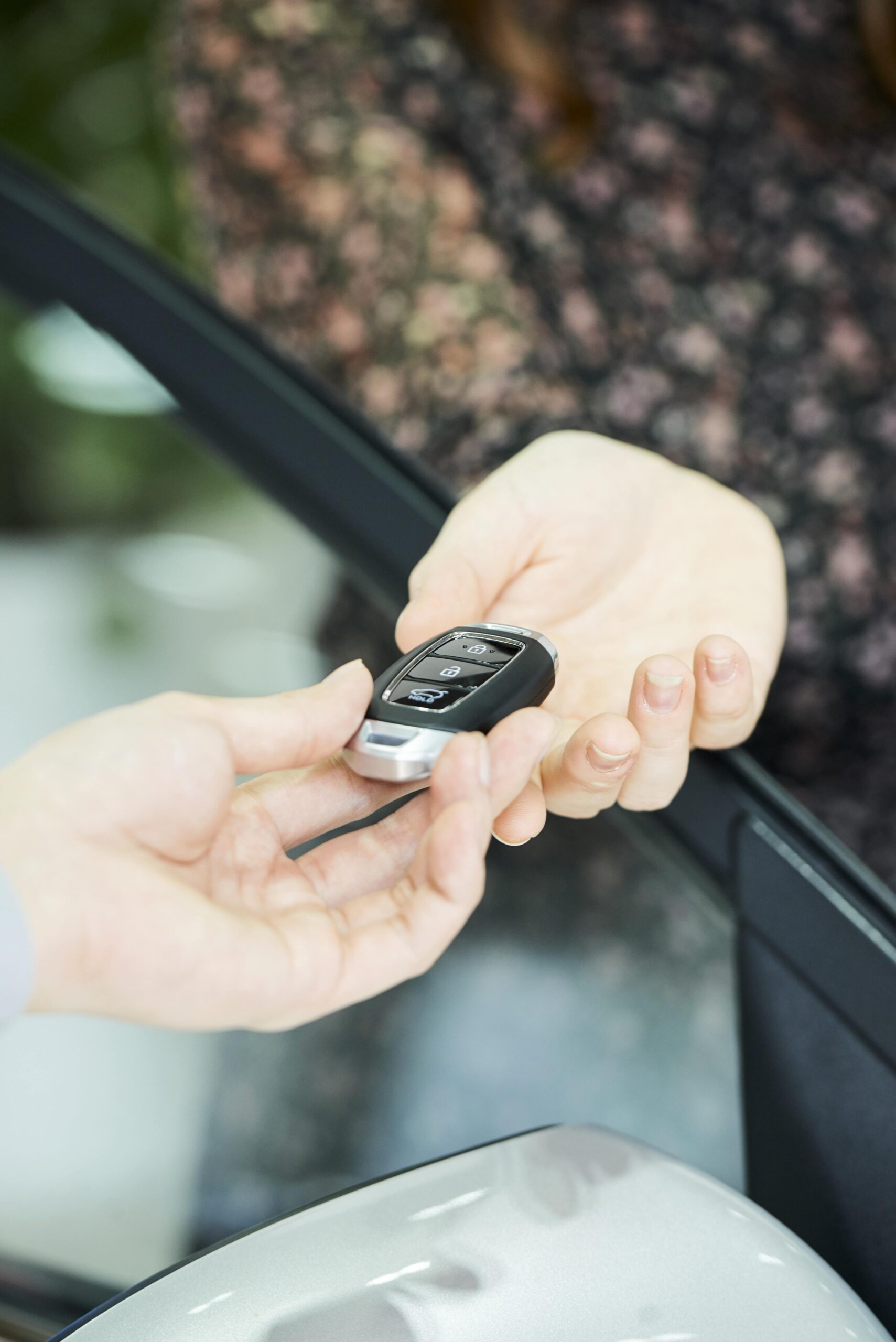

Replacement Remote Car Key
Overview
-
Founded Date October 19, 1932
-
Sectors Web Administrator
-
Posted Jobs 0
-
Viewed 4
Company Description
5 Killer Quora Answers To Ignition Key Replacement
Understanding Ignition Key Replacement: A Comprehensive Guide
In today’s busy world, where automobiles are an essential part of daily life, losing or damaging the ignition key can cause significant hassle. Ignition key replacement is a procedure that numerous vehicle owners deal with at some time. This post supplies an extensive appearance at ignition key replacement, kinds of keys, the process included, and answers to frequently asked questions.
What is an Ignition Key?
An ignition key is a little metal item developed to operate the ignition system of an automobile. It permits the motorist to begin the car’s engine, and in many modern-day automobiles, it likewise offers access to extra functions, such as locking and opening doors and activating security systems.

Types of Ignition Keys
There are a number of types of ignition keys, each with distinct features and systems. Comprehending these differences can help vehicle owners understand what to anticipate when replacing ignition keys.
1. Conventional Car Keys
Traditional keys are simple metal keys cut to fit a particular ignition cylinder. This kind of key is the most standard and is typically found in older vehicles.
2. Transponder Keys
Modern cars frequently come geared up with transponder keys that have a little microchip embedded within them. This chip sends a signal to the car’s ignition system, guaranteeing that only the correct key can begin the engine. Transponder keys supply extra security but can be more expensive to replace.
3. Switchblade Keys
Switchblade keys are a hybrid of conventional and transponder keys. They feature a collapsible style that pulls back into the key fob. When required, the key turns open, resembling a switchblade knife. This design is both compact and trendy.
4. Key Fobs and Smart Keys
These are the most innovative ignition keys. Key fobs usually include both ignition and remote control functions that allow the chauffeur to unlock doors and start the engine without inserting a key (keyless entry and start). Smart keys utilize distance sensing units to detect the key fob within a particular variety, making it possible for push-button start functionality.
The Ignition Key Replacement Process
Changing an ignition key can vary in intricacy depending on the type of key and the vehicle’s make and design. Nevertheless, the basic procedure is detailed below:
Step-by-Step Guide to Ignition Key Replacement
-
Report the Lost Key: If the key is lost or taken, it is crucial to report it to regional authorities and alert your insurance business.
-
Collect Necessary Information: The vehicle owner need to gather all relevant info, such as the make, model, year of the vehicle, and vehicle identification number (VIN).
-
Visit a Locksmith or Dealer: Choose in between a locksmith concentrated on automotive keys or a car dealer. Each option has advantages and disadvantages regarding rate and timing.
-
Provide Proof of Ownership: Regardless of who you approach for key replacement, be prepared to show evidence of ownership, such as the vehicle title or registration.
-
Develop a New Key: Depending on the key type, the locksmith professional or dealer will cut a standard key or program a transponder, key fob, or smart key.
-
Test the New Key: Once the key is created, it’s crucial to check it to guarantee it works effortlessly with the vehicle’s ignition system.
Potential Costs Involved
Below is a table highlighting the potential expenses involved in ignition key replacement based upon the type of key:
| Type of Key | Typical Cost | Key Features |
|---|---|---|
| Standard Key | ₤ 10 – ₤ 40 | Basic key, no transponder |
| Transponder Key | ₤ 50 – ₤ 150 | Microchip technology for boosted security |
| Switchblade Key | ₤ 80 – ₤ 200 | Integrates conventional key functions with style |
| Key Fob/Smart Key | ₤ 200 – ₤ 500+ | Advanced performance with keyless entry |
Regularly Asked Questions (FAQs)
1. For how long does it take to replace an ignition key?
The time needed to replace an ignition key can differ, typically ranging from 10 minutes to an hour, depending on the key type and the provider’s abilities.
2. Can I replace a lost key myself?
While producing conventional keys can often be made with DIY packages, modern transponder and key fob systems normally require specialized equipment and shows, making it suggested to seek professional support.
3. What to do if I lose my key fob?
If you lose your key fob, it can typically be reprogrammed for a cost by a locksmith or dealership, who can create a new one to make sure that no unauthorized celebrations can access your vehicle.
4. Will my insurance coverage cover key replacement?
Numerous auto insurance plan offer protection for lost or taken keys. It is a good idea to examine your policy or contact your insurance company to validate your protection details.
5. Are there precautions to avoid losing ignition keys?
- Keep spare keys in a protected location.
- Usage keychain organizers to reduce the opportunity of losing them.
- Think about getting a Bluetooth tracker for your keys.
Ignition key replacement is a vital aspect of vehicle maintenance that every car owner must understand. Understanding the kinds of ignition keys, the replacement procedure, and associated expenses can help simplify the experience. Being proactive about key management can substantially reduce the inconvenience and cost when confronted with the prospective loss or damage of an ignition key. Vehicle owners are motivated to keep notified about their alternatives to ensure they are ready must they ever discover themselves in need of an ignition key replacement.