
Best Cots
Overview
-
Founded Date November 22, 2004
-
Sectors Developer
-
Posted Jobs 0
-
Viewed 11
Company Description
The 10 Most Terrifying Things About Baby Cot Bed
The Essential Guide to Baby Cot Beds
When it concerns preparing for the arrival of a new baby, couple of purchases are as substantial as the baby cot bed. Selecting the best cot bed is vital for the security, comfort, and well-being of your youngster as they shift from newborn to young child. This extensive guide will walk you through whatever you need to understand about baby cot beds, including types, functions, security considerations, and FAQs.
What is a Baby Cot Bed?
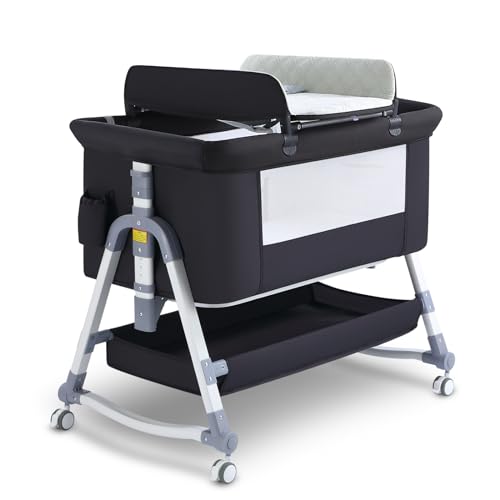
A baby cot bed, likewise known merely as a cot, is a bed particularly designed for infants and young children. These beds are typically raised off the ground and include high sides to avoid the baby from falling out. As your kid grows, numerous cot beds can be transformed into toddler beds, extending their use for several years.
Kinds Of Baby Cot Beds
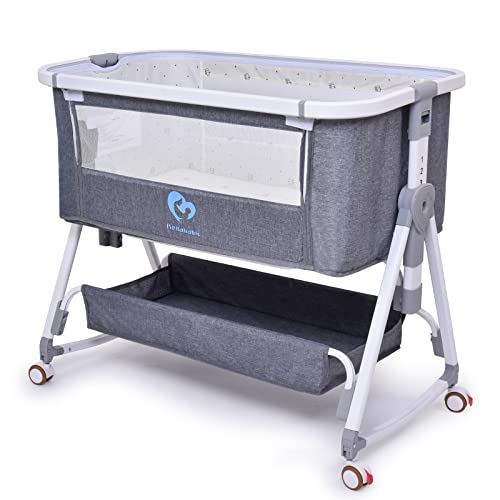
Below is a comparison table that outlines the different types of baby cot beds available on the marketplace:
| Type of Cot Bed | Description | Pros | Cons |
|---|---|---|---|
| Requirement Cot Bed | A fixed-size cot developed for infants and toddlers. | Economical, tough. | Minimal adjustability. |
| Convertible Cot Bed | Can be transformed into a toddler bed or perhaps a day bed. | Long-term usage, versatile. | Typically more costly. |
| Portable Cot Bed | Light-weight and collapsible, perfect for travel. | Easy to move, space-saving. | May lack durability. |
| Mini Cot Bed | Smaller sized than standard cots, appropriate for small spaces. | Perfect for houses. | Restricted life expectancy. |
| Moses Basket | A portable, light-weight bed for newborns. | Extremely portable, cozy. | Short usage duration. |
Picking the Right Baby Cot Bed
Picking the best cot bed involves considering several factors. Here’s a list of necessary aspects to bear in mind:
-
Safety Standards: Always inspect for compliance with safety policies. Search for items accredited by pertinent authorities, such as the Consumer Product Safety Commission (CPSC) in the U.S. or the British Standards (BS) in the U.K.
-
Size: Consider the area offered in your home. A basic cot may not fit in smaller sized nurseries, while mini cots or portable alternatives may be preferable.
-
Product: Cot beds are normally made from wood, MDF, or a mix of products. Solid wood alternatives are usually stronger and more durable.
-
Height Adjustability: Some cot beds use adjustable bed mattress heights, which can be especially helpful as your baby grows. Start with the highest setting for simple access to a newborn, and lower it as the baby begins to pull up.
-
Relieve of Conversion: If thinking about a convertible cot bed, examine how simple it is to transform. Some models may need additional parts or tools.
Safety Considerations
The security of your baby is critical. Below are essential security pointers when utilizing a baby cot bed:
- Mattress Fit: The mattress needs to fit snugly within the cot bed frame, without any gaps that might pose a suffocation danger.
- Avoid Soft Bedding: Avoid positioning pillows, blankets, or toys in the cot bed, as they can increase the risk of suffocation.
- Examine for Recalls: Regularly inspect if your cot bed has been remembered due to security issues.
- Steady Structure: Ensure the cot bed is sturdy and does not wobble. It should likewise be devoid of sharp edges.
Maintenance and Care
Keeping your baby cot bed is vital for durability and hygiene. Here are some care tips:
- Regular Cleaning: Wipe down the cot bed with a wet cloth and moderate detergent. Avoid extreme chemicals that may be risky for infants.
- Check for Wear: Regularly inspect the cot for any loose parts, splintering wood, or damaged products.
- Change Mattress: Over time, the bed mattress might lose its firmness or establish mold; replacing it as needed is necessary.
Converting a Cot Bed
Lots of parents select convertible cot beds that can shift from a crib to a young child bed. Here’s a short introduction of the conversion procedure:
- Remove One Side: Most convertible cot beds have a side that can be detached to produce a toddler bed.
- Change Mattress Height: Ensure the bed mattress is at the proper height for your child.
- Include Safety Rails (if relevant): Some designs feature safety rails for included defense.
FAQs
What is the distinction in between a cot and a cot bed?
A cot bed is normally larger than a regular cot and is created to accommodate a child from birth to around 5 years of ages. Cot beds frequently feature convertible alternatives for extended use.
When should I move my baby to a cot bed?
The majority of babies transition from a crib to a cot bed in between 18 months and 3 years, depending upon their advancement and preparedness.
What bed mattress should I use for a cot bed?
Pick a company, flat bed mattress particularly designed for cots that fits snugly within the frame to prevent any spaces.
How long can a child use a cot bed?
A cot bed can generally be used until a child is around 5 years of ages, depending upon size and particular style.
Are portable cot beds safe?
Portable cot beds are normally safe if they meet security standards and are utilized according to the maker’s directions. Always ensure they are securely established.
Choosing the right baby cot bed is an essential decision that impacts your kid’s security and comfort. By understanding the various types readily available, important safety considerations, and maintenance suggestions, moms and dads can make educated choices that supply a secure and relaxing sleep environment for their children. As your child grows, the best cot bed can adapt and change, supplying support through early childhood. Investing in a top quality cot bed makes sure many serene nights ahead, both for moms and dads and their precious infants.