

Exercise Cycle Bike
Overview
-
Founded Date May 20, 1964
-
Sectors Garments
-
Posted Jobs 0
-
Viewed 2
Company Description
How Exercising Bike Changed Over Time Evolution Of Exercising Bike
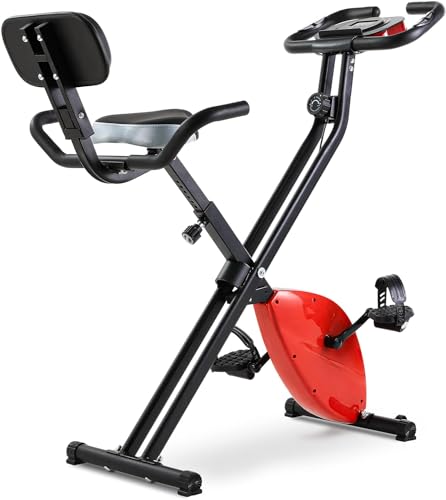
The Benefits of Exercising with a Bike: A Comprehensive Guide
Biking is one of the most popular forms of home exercise bikes globally, offering numerous physical and psychological health benefits. Whether it’s a leisurely trip through the park or an extreme spin class, utilizing a bike can be an effective way to enhance fitness. In this detailed guide, we will check out the benefits of working out with a bike, pointers for beginners, kinds of biking, and often asked questions to help you get the most out of your biking experience.
The Health Benefits of Cycling
Biking is an outstanding way to remain in shape, and it offers a variety of health advantages, including:
Cardiovascular Health
Biking is a wonderful cardiovascular exercise bikes. It helps reinforce the heart, improve blood circulation, and lower blood pressure. Regular biking can substantially minimize the danger of cardiovascular disease and stroke.
Weight Management
Engaging in cycling frequently can assist preserve or lower weight. According to the table below, the variety of calories burned while biking depends on factors like period, intensity, and body weight.
| Body Weight (lbs) | Calories Burned (30 minutes, Moderate Intensity) | Calories Burned (30 minutes, High Intensity) |
|---|---|---|
| 125 | 240 | 355 |
| 155 | 298 | 444 |
| 185 | 355 | 533 |
Muscle Strength and Endurance
Cycling works out major muscle groups such as the quadriceps, hamstrings, calves, and glutes. Over time, constant biking can result in increased muscle strength and endurance.
Mental Health Improvements
Biking is not only great for physical health but also helpful for mental well-being. Participating in outdoor cycling can decrease signs of anxiety and depression. The endorphins released throughout physical activity can boost state of mind and overall mental clarity.
Kinds of Cycling
Biking can take numerous types, each offering unique experiences and benefits. Here are some popular kinds of cycling:
-
Road Cycling: This involves riding on paved roads and is often focused on speed and range. Road biking can be competitive or leisure.
-
Mountain Biking: This kind of biking occurs on rough surfaces and focuses more on technique and handling. Mountain biking provides an adrenaline rush and a special connection with nature.
-
Commuter Cycling: Many individuals pick biking as a way to commute. It is an eco-friendly choice that saves cash on gas and helps in reducing contamination.
-
Indoor Cycling: Often done in a fitness center setting, indoor biking classes (like spinning) focus on high-intensity exercises and can be a terrific method to construct endurance.
-
Leisure Cycling: This is the most casual form of cycling, usually done at a leisurely rate for enjoyment instead of Bikes Exercise For sale.
The Right Equipment
To start with biking, having the Best Home Exercise Machine equipment is essential. Here are some items every cyclist need to think about:
| Equipment | Description |
|---|---|
| Bike | Select a bike that suits your biking style (road, mountain, hybrid). |
| Helmet | Safety ought to be a priority; always wear a well-fitted helmet. |
| Cushioned Shorts | These can help improve comfort throughout longer rides. |
| Water Bottle | Remaining hydrated is crucial, especially throughout longer sessions. |
| Biking Shoes | Special shoes can enhance efficiency in pedaling (specifically for roadway cycling). |
Tips for Beginners
Starting a biking routine can be difficult, but following a few suggestions can make the procedure easier:
-
Start Slow: If you’re brand-new to cycling, begin with short rides and slowly increase your range and strength.
-
Set Realistic Goals: Establish achievable fitness goals to keep yourself encouraged.
-
Sign up with a Group: Find local biking clubs or groups. Riding with others can provide motivation, friendship, and security.
-
Buy a Good Bike: A quality bike can significantly impact your overall experience. Guarantee it fits you well to boost comfort and effectiveness.
-
Maintenance: Regularly inspect your bike’s tires, brakes, and gears to make sure whatever is operating appropriately.
Frequently Asked Questions (FAQs)
1. How typically should I cycle for ideal health advantages?
To accomplish optimal health benefits, aim for at least 150 minutes of moderate-intensity biking or 75 minutes of high-intensity biking each week.
2. Can cycling help in weight-loss?
Yes, cycling can contribute substantially to weight reduction when integrated with a balanced diet plan. It burns calories and develops muscle, which can help in weight loss.
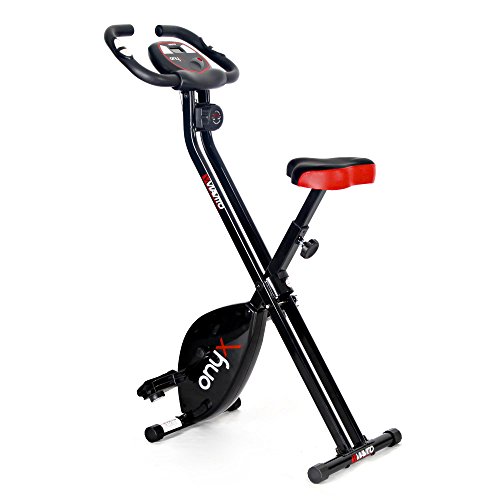
3. Is indoor biking effective?
Absolutely! Indoor cycling can offer an effective workout and is especially helpful throughout harsh weather or for those who choose a regulated environment.
4. What should I use while biking?
Use comfortable clothing, preferably moisture-wicking materials, and always use a helmet for security. Padded shorts can enhance convenience for longer trips.
5. Can biking trigger injuries?
While usually safe, biking can lead to overuse injuries, especially if appropriate kind is not preserved. Gradually increase your riding intensity and period to prevent injuries.
Biking is a satisfying and effective method to improve physical fitness, psychological wellness, and total health. With numerous types of cycling offered, individuals can select a technique that fits their way of life and choices. Whether riding on city streets, mountain trails, or in a spin class, the benefits of cycling are clear. By buying the ideal devices, setting attainable objectives, and keeping a consistent regimen, anybody can take pleasure in the benefits of biking and lead a much healthier, better life. Remember, the journey of a thousand miles starts with a single pedal!