

Exercise Equipment
Overview
-
Founded Date September 5, 1924
-
Sectors Project Management
-
Posted Jobs 0
-
Viewed 6
Company Description
10 Things People Get Wrong Concerning Home Exercise Bikes
The Ultimate Guide to Home Exercise Bikes: Choosing, Using, and Maximizing Your Investment
With the increase of home fitness culture, lots of individuals are turning to top exercise bikes bikes as a practical way to get their cardio exercises in without leaving your house. Whether for weight-loss, muscle toning, or improving cardiovascular health, stationary bicycle provide a versatile and efficient fitness option. This blog site post will check out the numerous types of home exercise bikes, their advantages, and suggestions on how to pick the right one for your requirements. Additionally, we will delve into some vital aspects of using stationary bicycle effectively and answer common concerns to enhance your experience.
Kinds Of Exercise Bikes
When it comes to home exercise bikes, there are a number of types to think about. The best option for you depends on your fitness goals, budget plan, and offered area. Here’s a contrast of the primary types of leg exercise machine bikes:
| Type of Exercise Bike | Description | Pros | Cons |
|---|---|---|---|
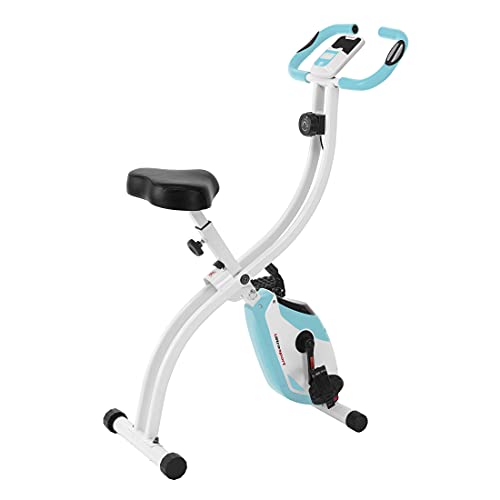
| Upright Bike | A traditional bicycle style where riders sit upright. | Compact, normally more affordable | Might be uncomfortable for long rides |
| Recumbent Bike | Features a larger seat and back assistance, allowing the rider to sit more reclined. | Comfortable for long periods, much easier on the joints | Uses up more space, often pricier |
| Spin Bike | Developed for high-intensity interval training (HIIT) with a heavier flywheel and adjustable resistance. | Imitates roadway biking, fantastic for intense exercises | Less comfy, restricted adjustability |
| Dual-Action Bike | Integrates upper and lower body exercises by including moving handlebars. | Full-body exercise, versatile | May require more coordination, typically larger |
Health Benefits of Using an Exercise Bike
Utilizing an exercise bike can provide many physical and mental health advantages:
-
Improved Cardiovascular Health: Regular biking enhances the heart and lungs, promoting much better circulation and enhanced endurance.
-
Weight Management: Cycling can burn a considerable amount of calories, aiding in weight loss or maintenance when integrated with a healthy diet.
-
Low-Impact exercise bike performance: Exercise bikes are kinder to the joints than running or other high-impact workouts, making them appropriate for people of all fitness levels.
-
Convenience: Exercising in your home eliminates travel time to the fitness center, permitting people to fit workouts into their busy schedules.
-
Personalized Workouts: Most stationary bicycle feature adjustable resistance settings, enabling users to tailor their exercises according to their fitness levels and goals.
Selecting the Right Exercise Bike
Selecting the ideal exercise bike involves considering a number of aspects:
1. Space
- Step the location where you plan to keep your bike. Ensure there’s adequate space for the bike itself and area around it for safe motion.
2. Type of Workout
- Figure out the kind of exercise you desire. Are you thinking about light biking, extreme spin workouts, or therapeutic riding?
3. Comfort and Ergonomics
- Look for an adjustable seat and handlebars to ensure your bike fits your body and supplies comfort throughout longer sessions.
4. Functions
- Consider additional functions such as built-in exercise programs, heart rate displays, and connection to fitness apps for a more engaging experience.
5. Budget
- Set a budget based upon the functions you require and research study options within that price variety. Stationary bicycle can vary from a number of hundred to numerous thousand dollars.
Utilizing an Exercise Bike Effectively
To maximize the benefits of your stationary bikes exercise bikes bicycle, follow these guidelines:
1. Warm-Up and Cool Down
- Always begin with a 5– 10 minute warm-up at a low resistance to prepare your muscles and avoid injury. Similarly, cool off after your exercise with a slow-paced cycle exercise home.
2. Appropriate Form
- Keep your back straight, shoulders relaxed, and don’t lean too greatly on the handlebars. Adjust the seat height so that your knees are somewhat bent at the bottom of the pedal stroke.
3. Differ Your Workouts
- Incorporate intervals, resistance modifications, and various biking positions to keep your workouts engaging and challenging.
4. Screen Your Progress
- Utilize any integrated tracking features to watch on your speed, range, calories burned, and heart rate. This information can help you adjust your objectives.
5. Stay Hydrated
- Keep water within reach and remain hydrated during your workouts, specifically throughout extreme sessions.
Frequently Asked Questions (FAQ)
Q1: How frequently should I use my stationary bicycle?
Go for a minimum of 150 minutes of moderate-intensity cardio per week, which can be quickly spread out over a number of sessions.
Q2: Can I reduce weight using an exercise bike?
Yes! With a consistent workout regimen and a well balanced diet plan, you can effectively reduce weight by burning calories through cycling.
Q3: Do I need special shoes for a spin bike?
While unique biking shoes can enhance your experience (particularly if your bike has clipless pedals), they are not strictly required. Comfortable athletic shoes suffice for a lot of users.
Q4: What is the difference between a recumbent bike and a spin bike?
Recumbent bikes supply a reclined position and are typically more comfortable, while spin bikes are more fit for extensive exercises and imitating outdoor cycling conditions.
Q5: How do I keep my exercise bike preserved?
Regularly look for any loose bolts or parts, tidy the bike after usage, and follow the manufacturer’s upkeep guidelines for optimal performance.
Buying a home stationary bicycle can be a transformative decision for anybody seeking to enhance their fitness regimen. With different types readily available, comprehending their benefits and constraints is vital to making an informed choice. By following strategic usage tips and maintaining the bike appropriately, users can optimize their investment and enjoy a healthier lifestyle from the comfort of their home. Whether you’re a casual rider or an extreme bicyclist, a home stationary bicycle provides an accessible and efficient pathway to accomplishing your physical fitness goals.